Dance Beyond Borders
Cyprus | September 2026
Eight emerging Wales based dance artists.
One week.
New ways of seeing movement, place and themselves.
What happens when the camera becomes part of the dance?
From 5 to 13 September 2026, Dance Beyond Borders brought eight young artists from Wales together with artists in Cyprus for a week of screendance, cultural exchange and creative discovery.
This was not simply about learning how to film dance. It was about understanding how the camera can move, respond and make choices. How framing directs attention. How a landscape can shape an idea. How an artist can take ownership of new skills, lead a process and turn something imagined into something real.
At the heart of the week was creative entrepreneurship: learning how to initiate work, communicate an idea, bring people together, make decisions and recognise where a new skill could lead professionally.
“The camera is as much choreography as the actual content is.”
-
![]()
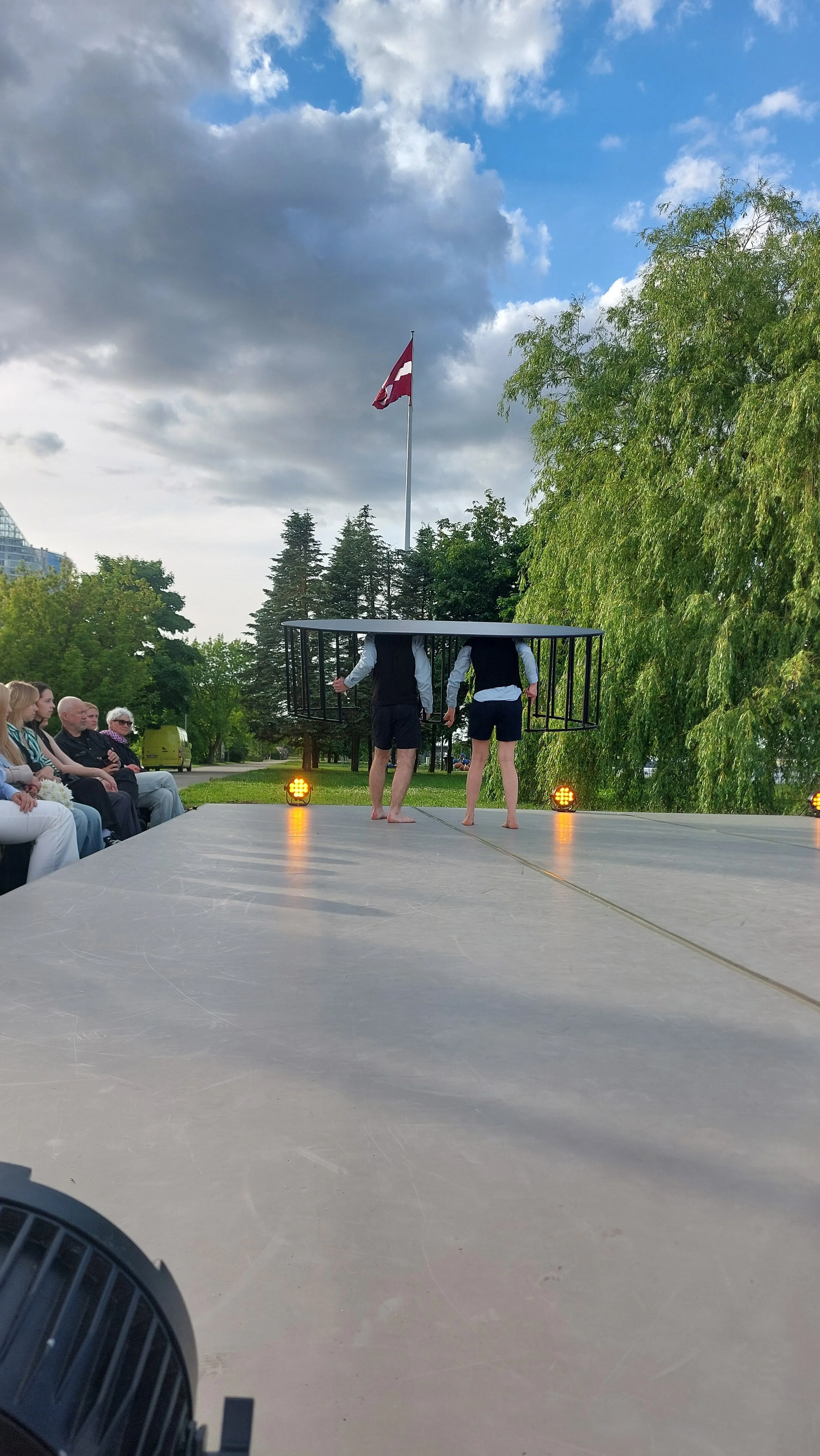
Tornado - Olga Žitluhina (Latvia)
-
![]()
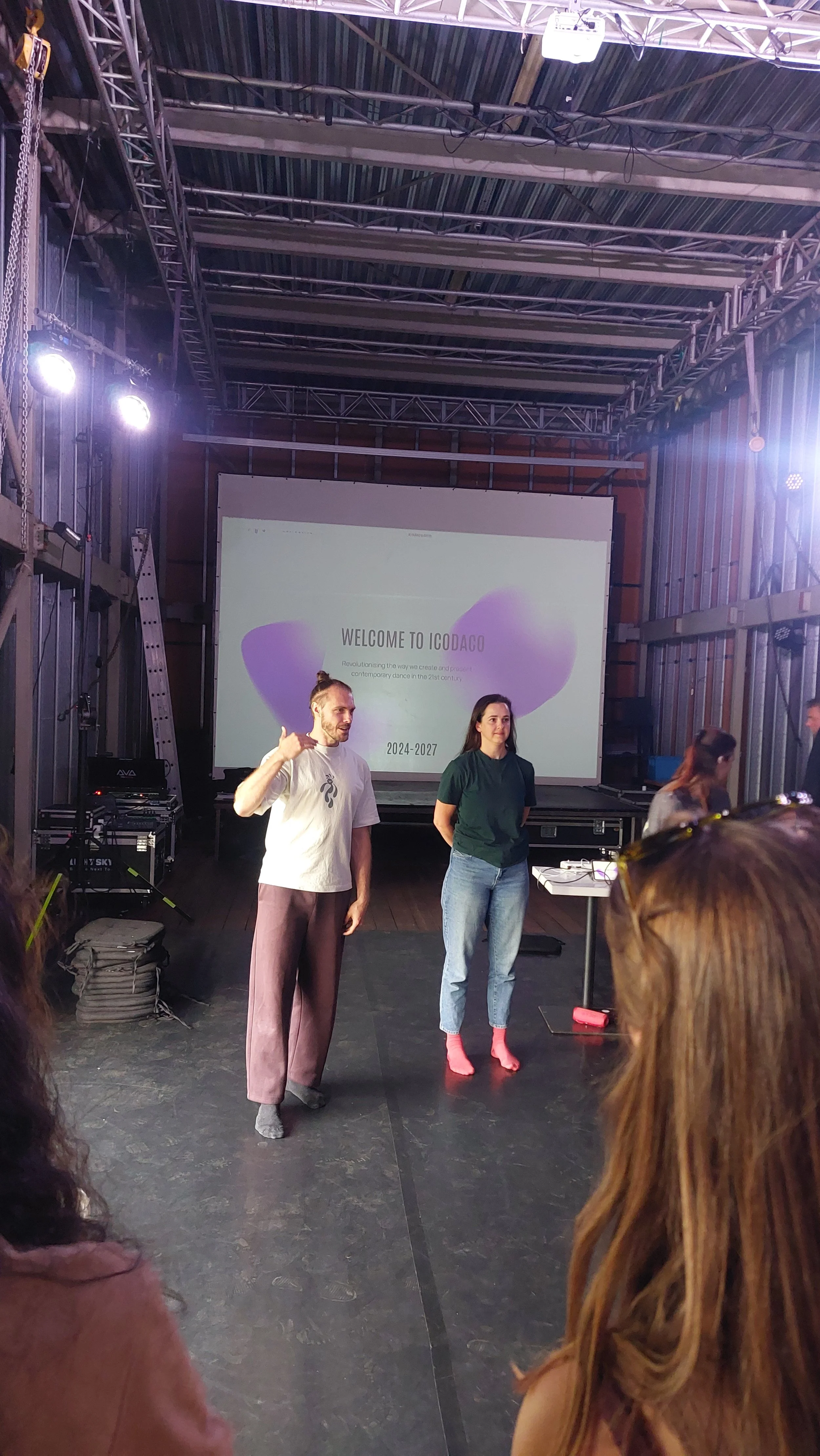
iCoDaCo - Knowledge Hub (EU project)
-
![]()
ENTWINED - Anastasija Čornaja (Latvia)
-
![]()
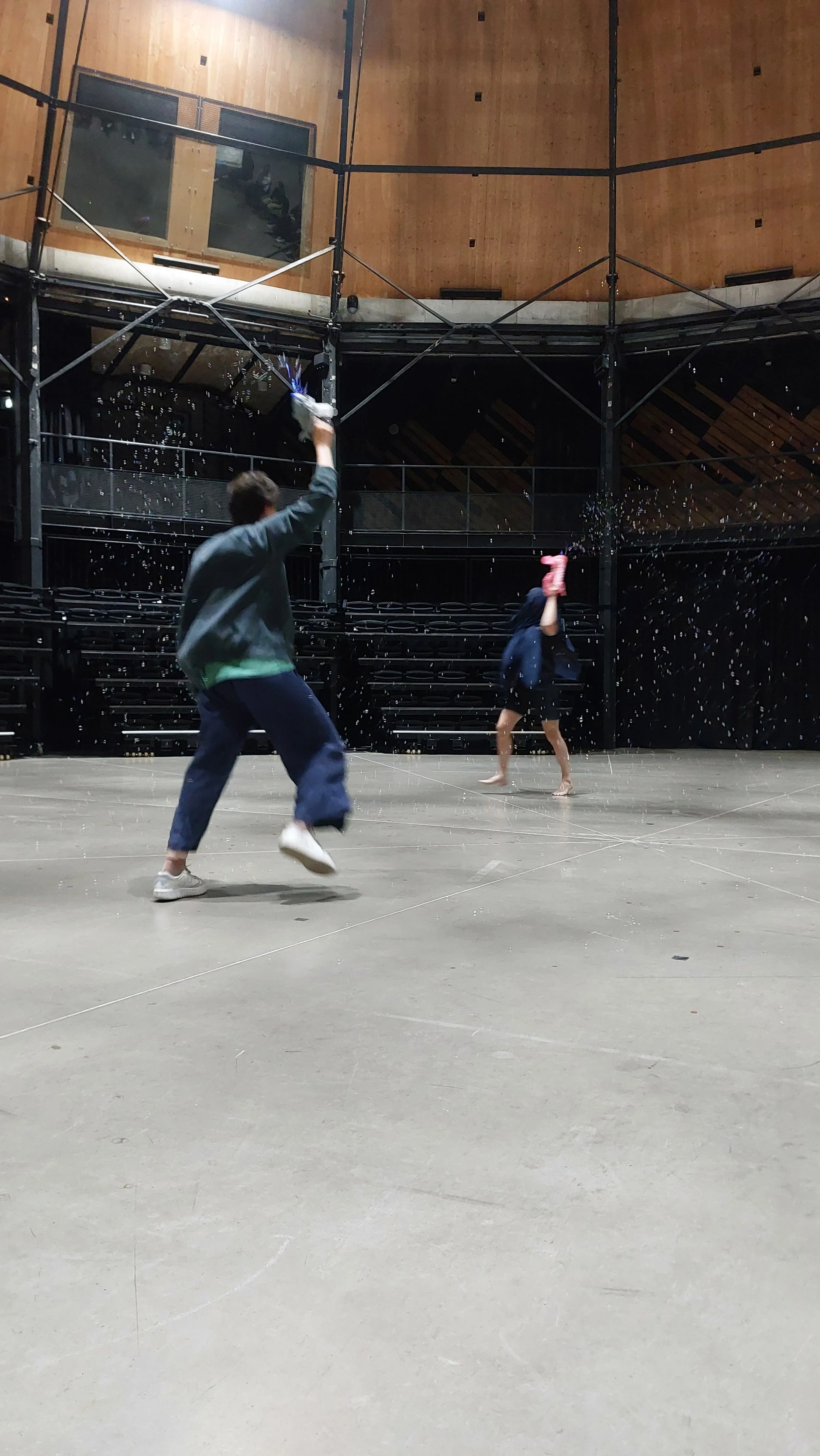
Indrek Kornel, Katrīna Stepiņa “Rewind / Rebound” (Estonia/Latvia)
-
![]()
Agate Bankava - Solo (Latvia) Riga's Circus Dance Residency
-
![]()
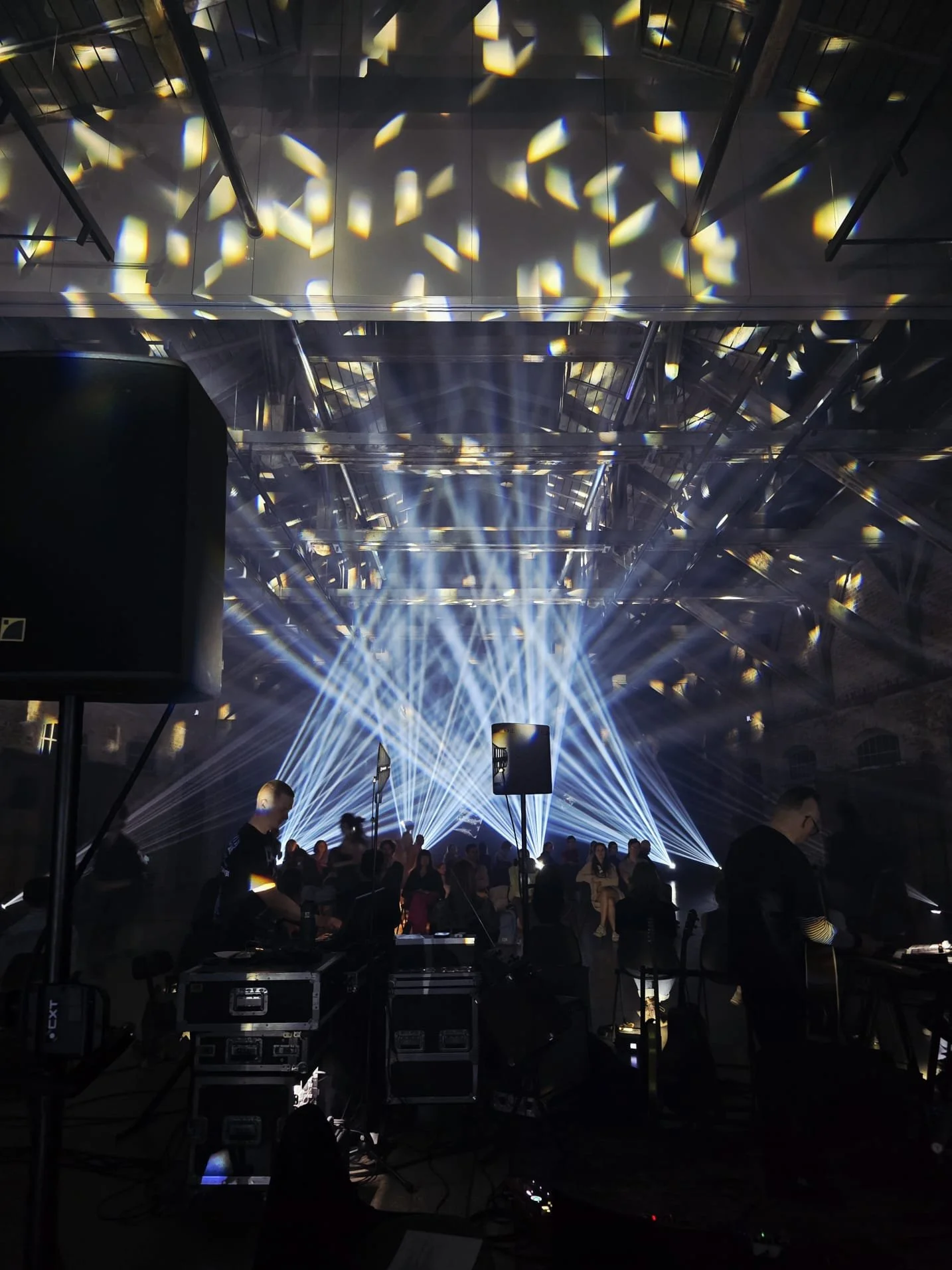
Dance and music jam session with Bm/C (Latvia)
-
![]()
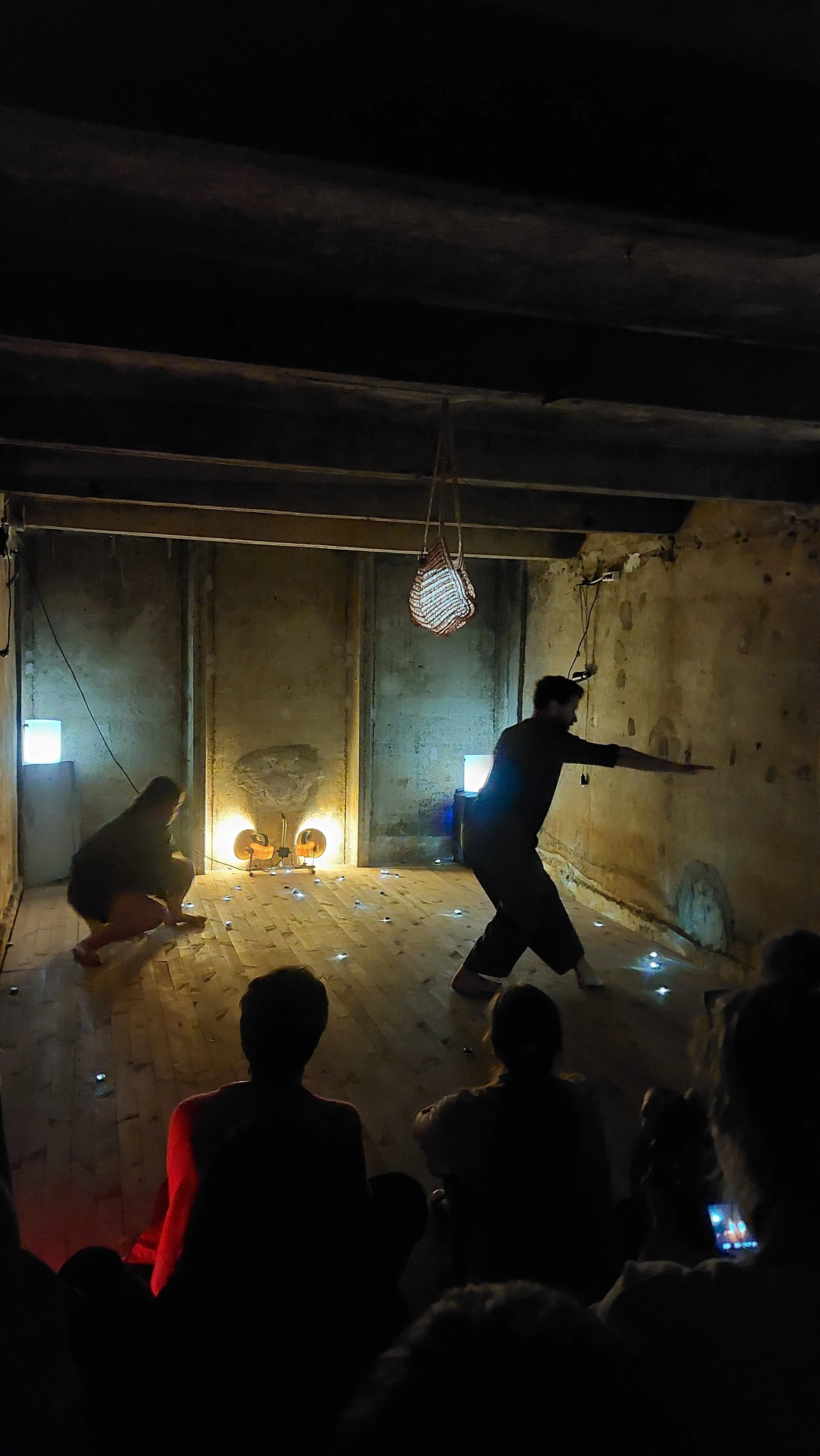
Marta Ladjanszki and Zsolt Varga - Celebration. Ritual. ECSTASY (Hungary)
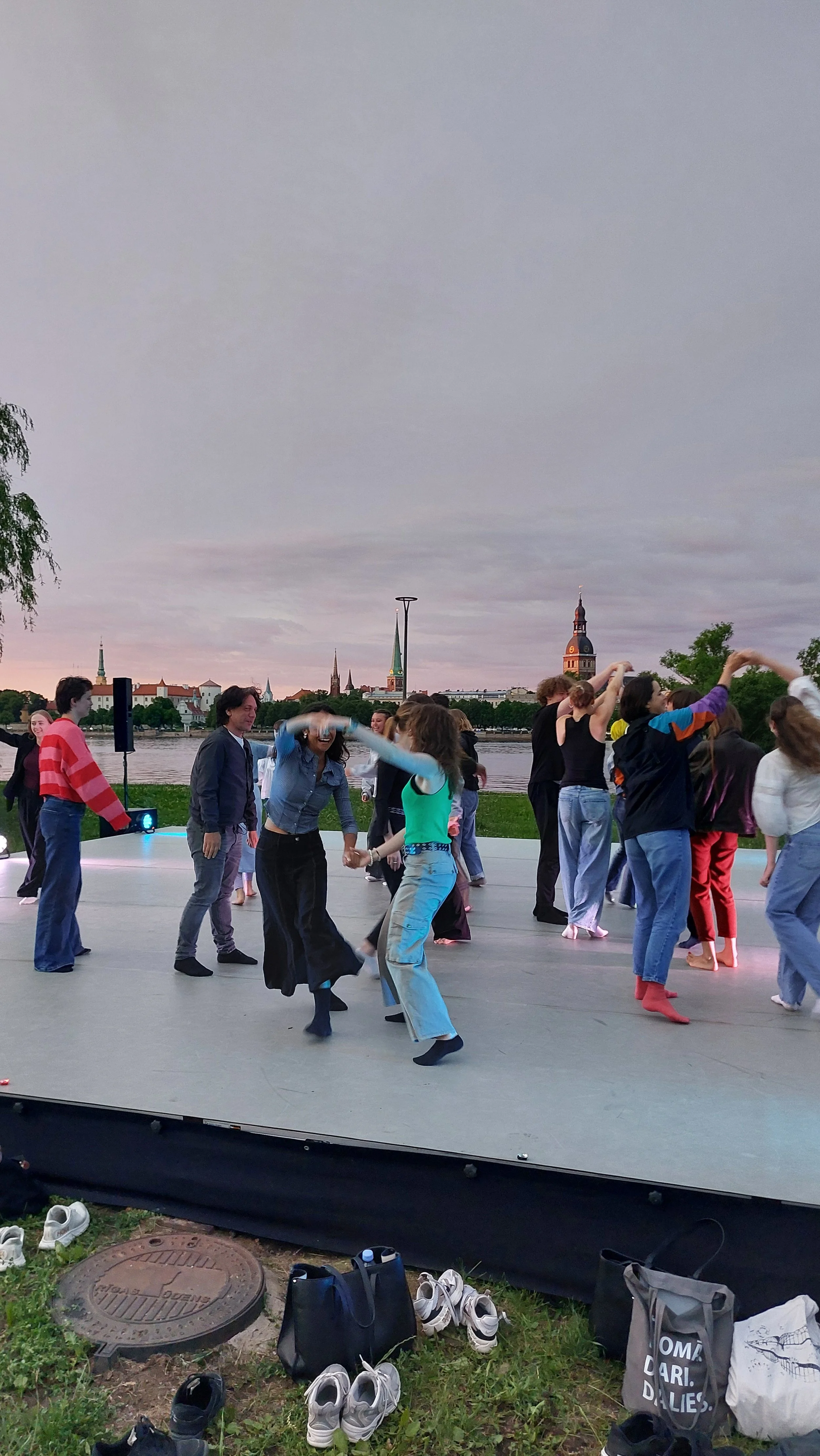
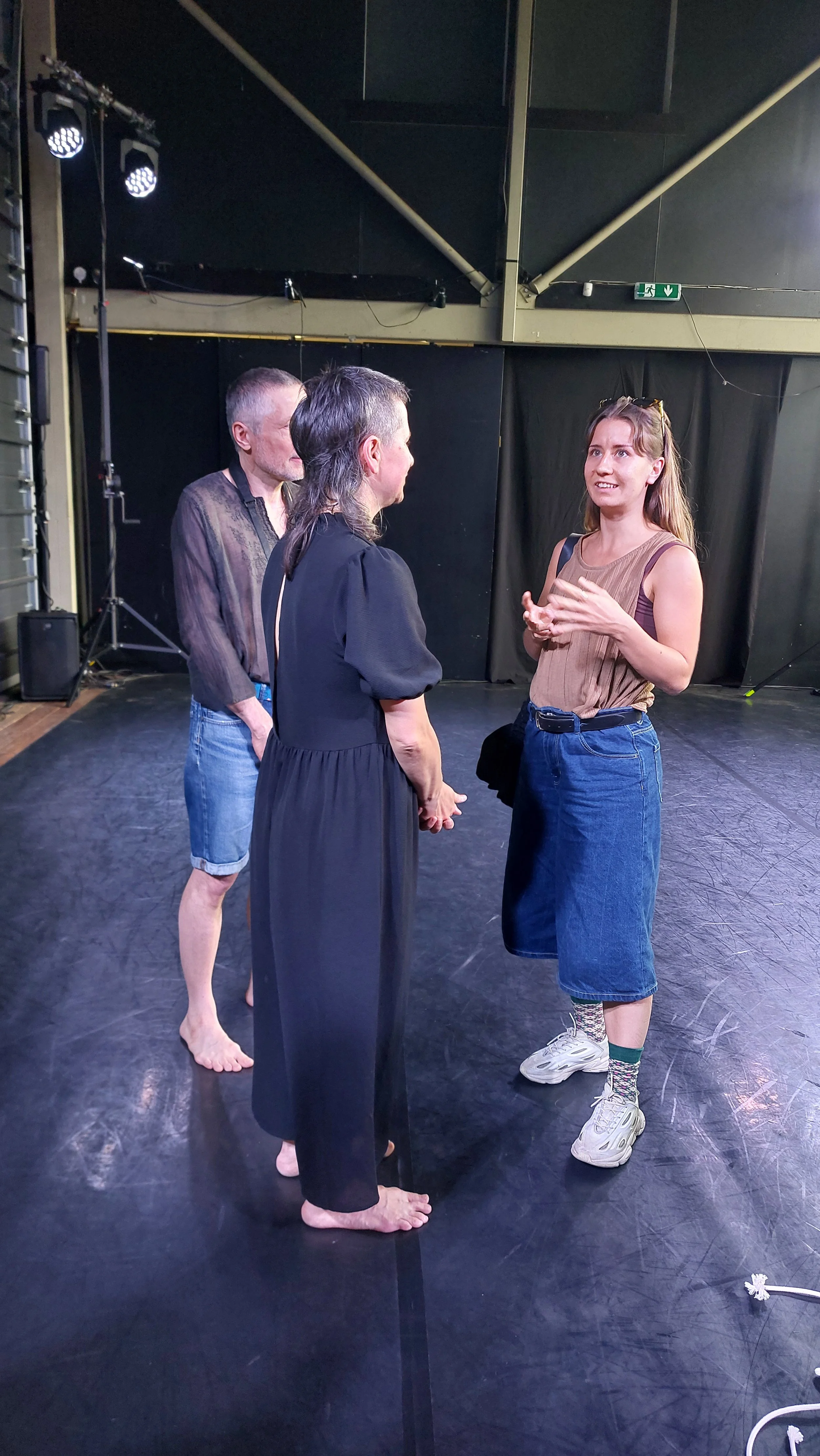
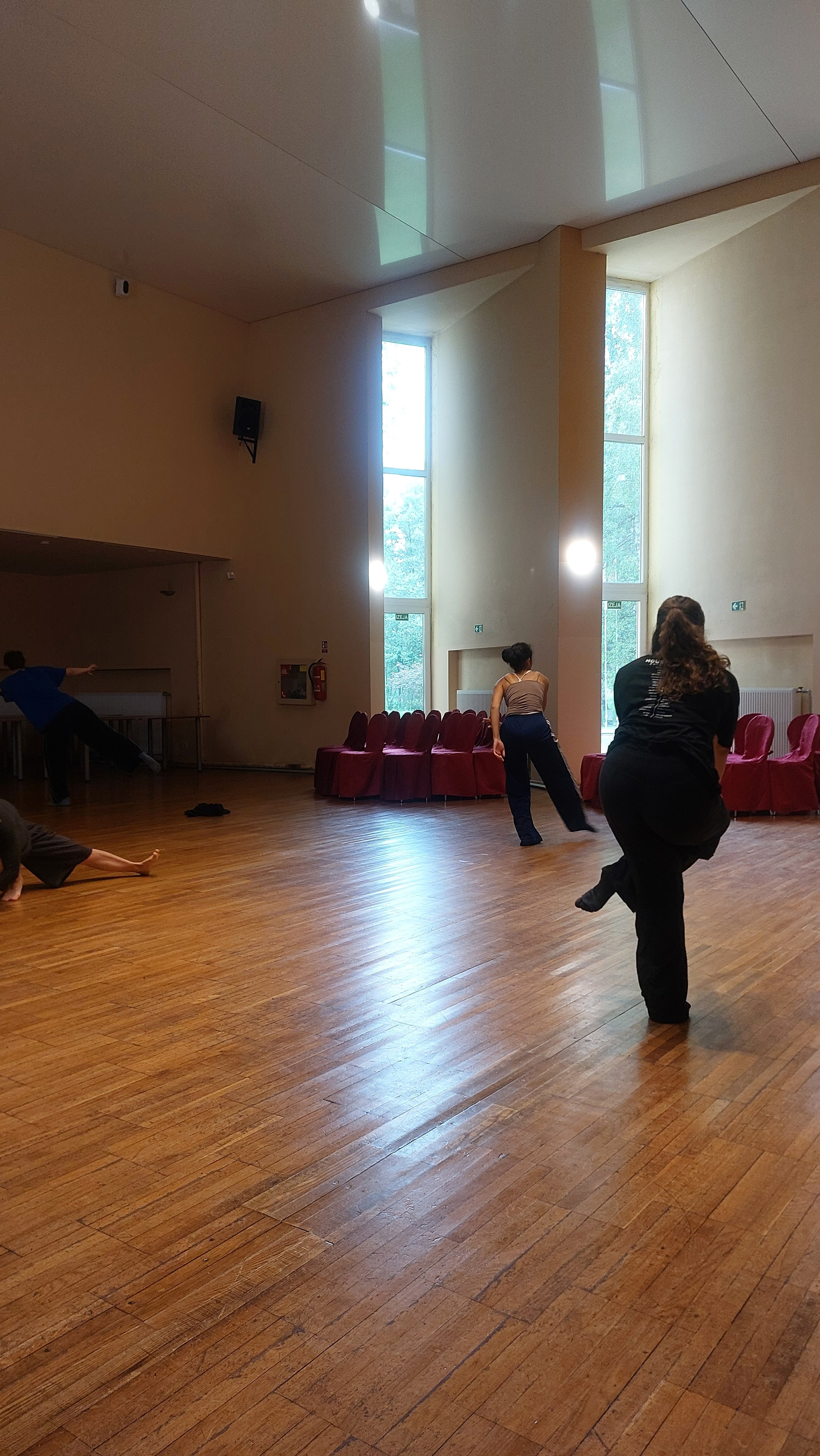
Movement and improvisation tasks asked participants to shift their attention, call out what they noticed and think about what they wanted an audience to see. The same space could hold hundreds of possible images. The artistic decision was deciding where to look.
For most participants, working with a professional camera was a new experience. Together, we explored how the equipment worked and the creative choices it offered. The camera stopped being something that simply recorded movement and became another performer within it.
“I was understanding that relationship with the camera and the body and the space and the performer, and I was like, ‘Oh, okay, this is a whole thing.”
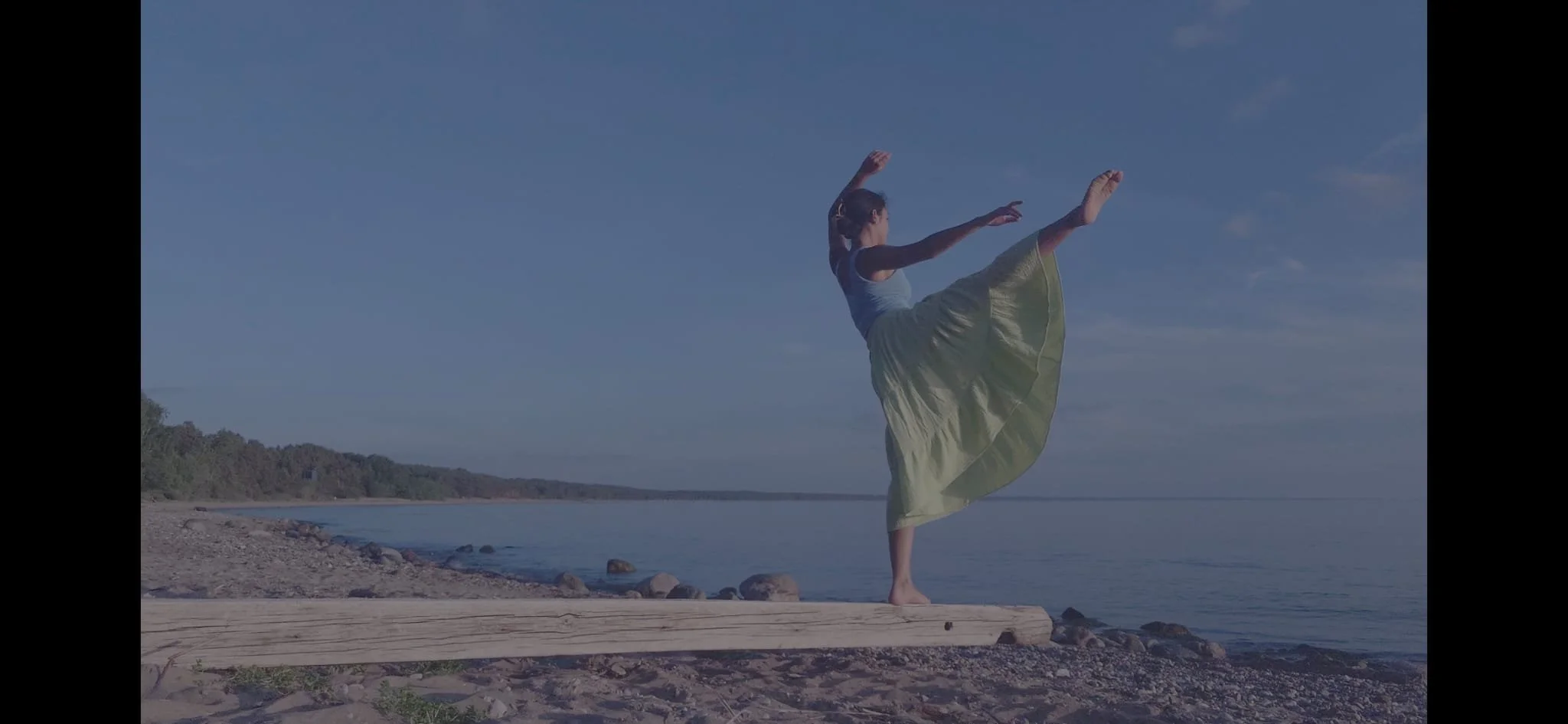
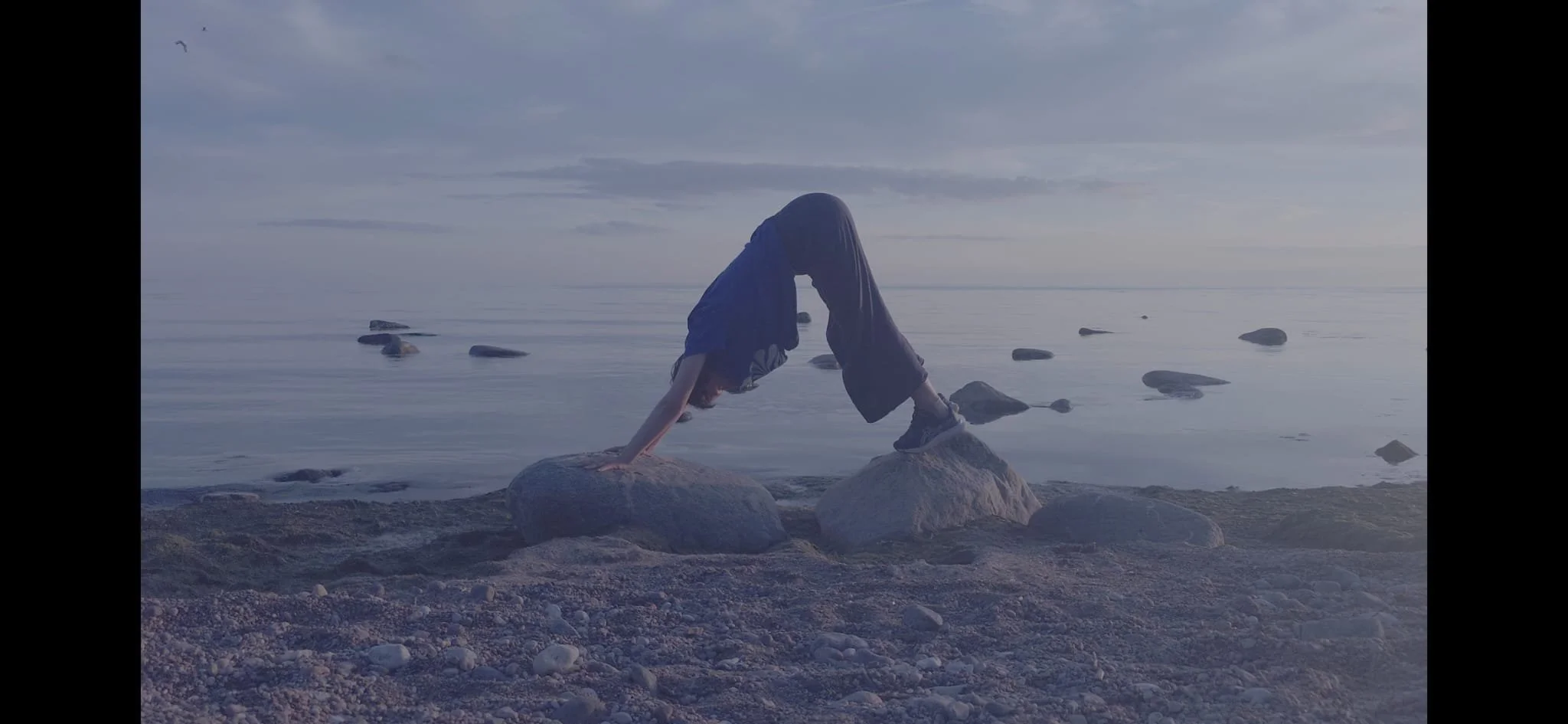
We travelled through Cyprus looking for places that could hold an idea: Millomeris Waterfalls, the white rocks of Kalymnos Beach, an abandoned school in Palaichori, local bridges, mountain roads and viewpoints overlooking the city at night.
Each artist began developing an idea for a short film of around two minutes. Some chose to make solo work and two ideas became duets, but none of the films were made alone.
Participants brainstormed together, helped with costumes, performed for one another, held cameras, tested shots and solved problems as a team. Welsh and Cypriot artists brought different experiences and perspectives into the process, learning from one another while developing a shared creative language. Over several days, we travelled back to selected locations and began filming.
“I realised that actually the best way of making solo work isn’t actually solo. You have a whole team of people, you have a group of people.”
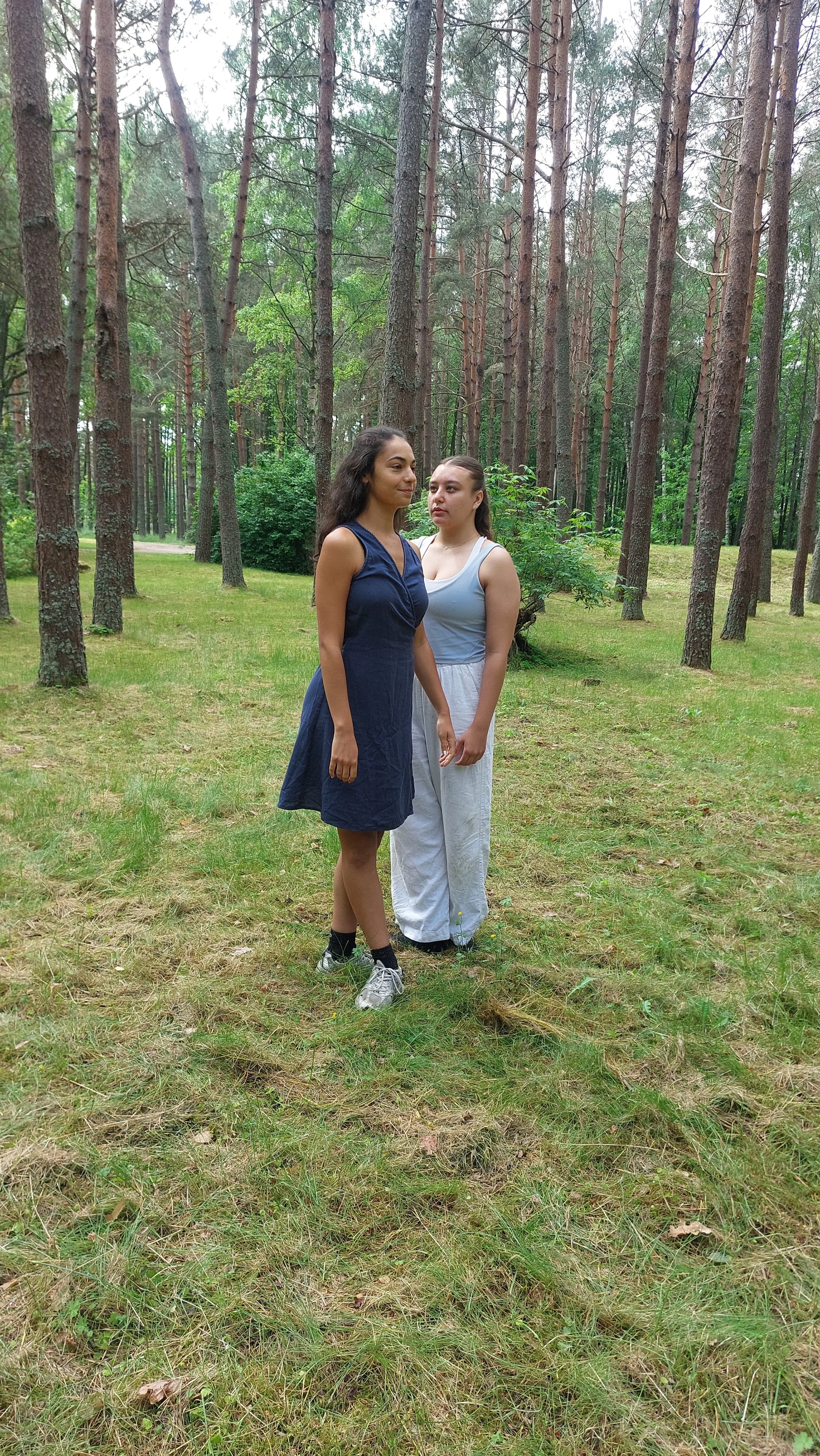
“It was really nice to be like, ‘This is my idea. This is what I want to do,’ and then have the response, ‘Okay, cool, let’s do that.”
It was really important artists were given the space, equipment and support to create work for screen without having to fit the idea into someone else’s brief.
The process uncovered new confidence in directing, choreographing and leading.
Entrepreneurship can sometimes sound separate from artistic practice. During this week, it became part of the making itself.
The experience helped participants see themselves not only as performers waiting to be chosen, but as artists who can generate work and create opportunities. They began to recognise how screendance could become part of a sustainable portfolio career alongside performance, choreography, directing, teaching or community practice.
“I was scrolling on Instagram and a screendance festival came up and I was like, ‘Oh, that looks cool. I’ll never be able to do anything for that.’ And now I’m like, ‘Actually, maybe come back to that post because maybe I can now.”
We met Savvas Christou, organiser of Cyprus Screendance Festival, who invited us to attend the third edition of Cyprus Film Festival, curated by Starlit Screens.
We watched documentary films and spoke with artists about filmmaking, international collaboration and submitting work to festivals.
The meeting also created a valuable connection between the Cypriot screendance sector and our own work developing ADRA Screendance Festival Wales. It opened possibilities for continued exchange between artists, programmers and festivals beyond the mobility itself.
“I think I do like being in positions of leading and giving direction. That’s not really something I would have thought I’d be good at. I really like giving direction and choreographing. I think I could definitely take on more of a leader role.”
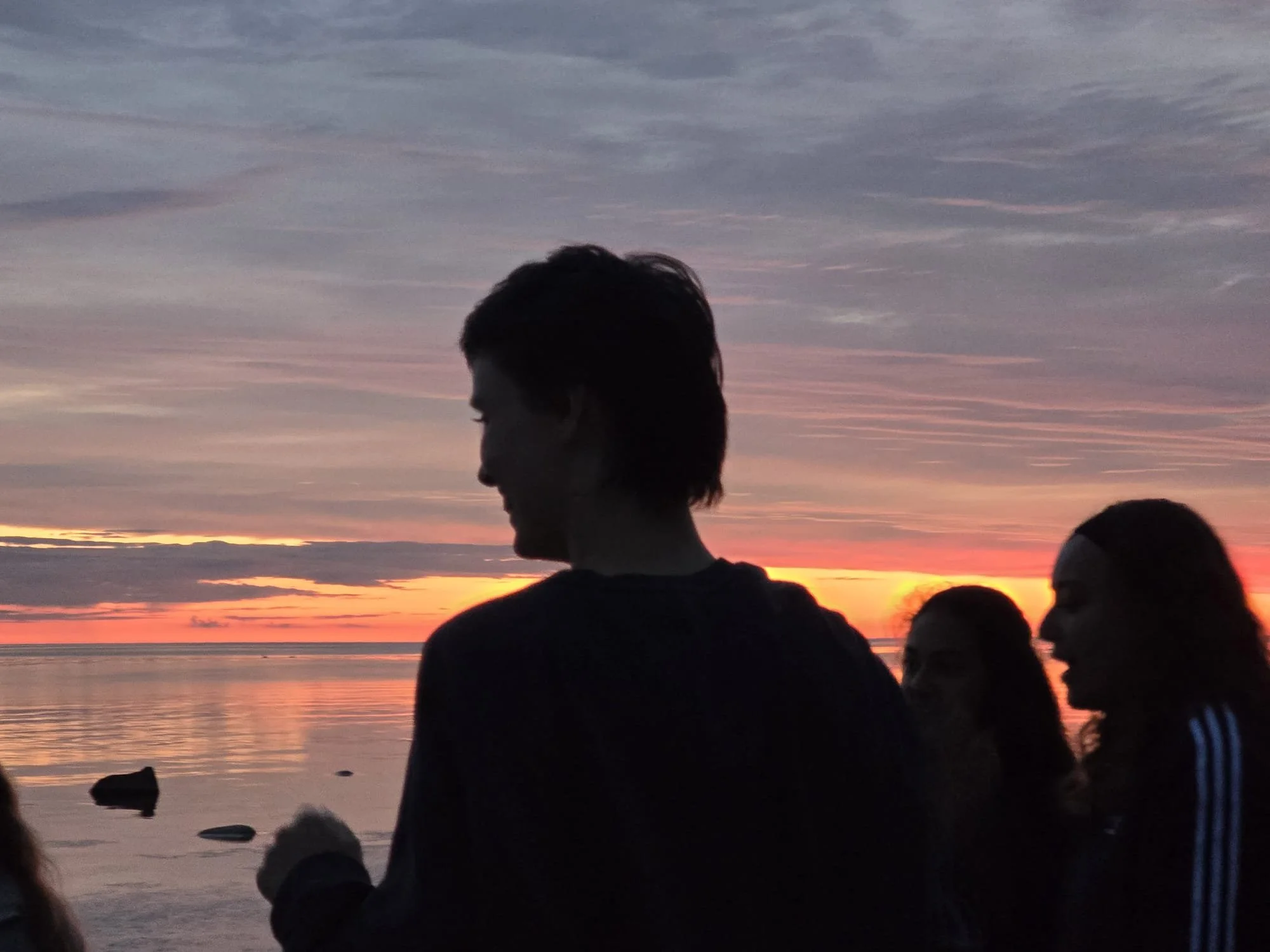
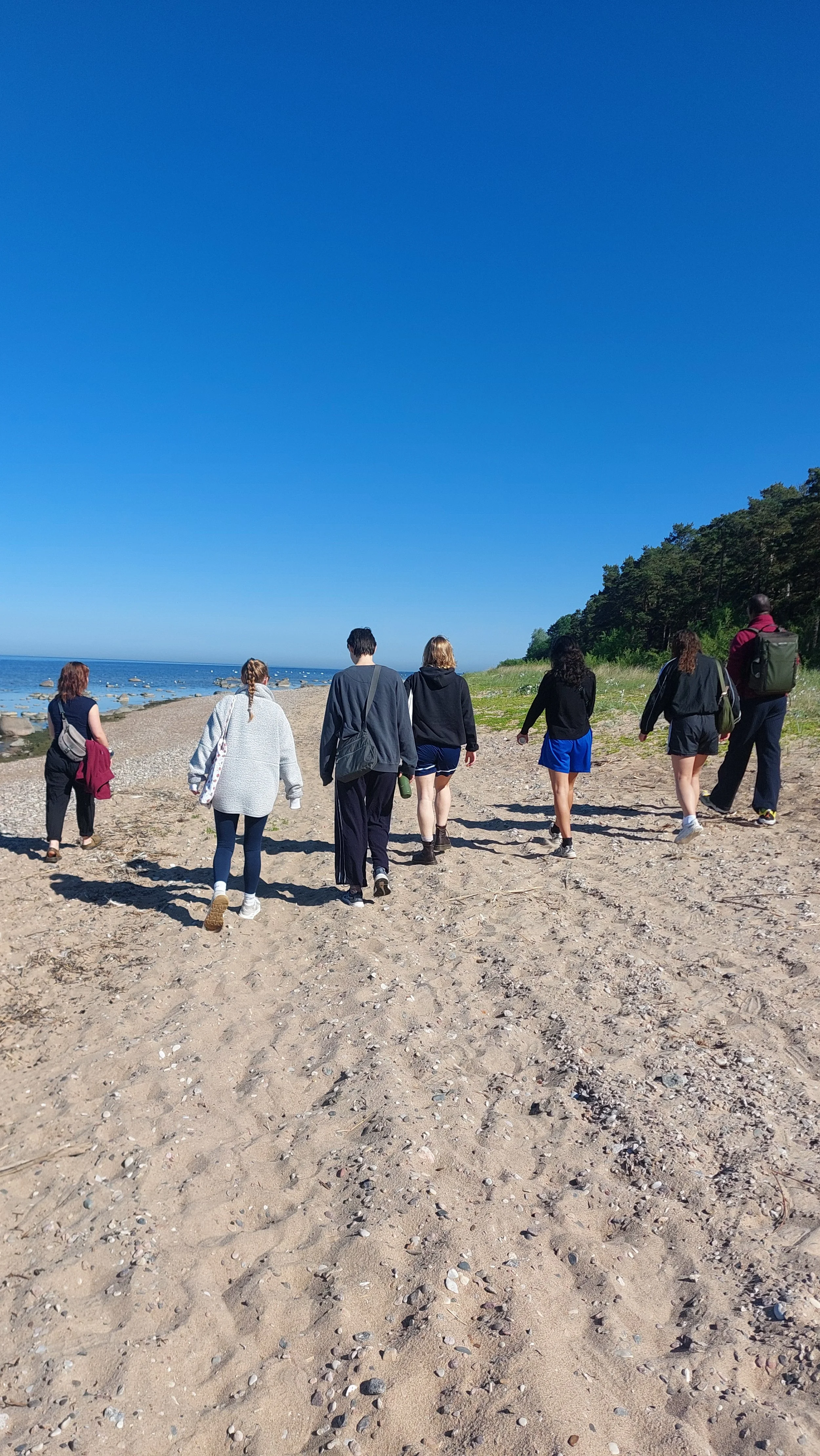
We stayed in a small family-run hotel in the mountain village of Palaichori. Our meals were prepared using local produce from nearby gardens and farms. We saw pomegranates, quinces and prickly pears growing around us and tasted fruit and vegetables preserved by the family’s grandmother.
The hospitality gave us an experience of Cyprus that went beyond the usual visitor routes. Shared meals and quiet evenings in the mountains created time for conversations, reflection and new friendships between artists from Wales and Cyprus. These informal relationships matter professionally too. They form the beginnings of international networks through which artists can exchange knowledge, recommend opportunities and develop future collaborations.
We also visited Nicosia and learned about the island’s history of conflict and continuing division. Some participants crossed the UN Buffer Zone with local artists and saw the differences between the two sides of the city. It was an important reminder that understanding a place also means engaging with its history, complexity and lived realities.
“Through the Taith experiences, despite not being in education anymore, I feel like I’m still getting so much education. University can prepare you up to a point, but when you leave and come into the real world, it’s really different.”